Wednesday, March 16, 2016
German Film under the Nazi Regime (1940-1945)
Under the Nazi regime, people (namely non-Aryans and those of Jewish descent) lost their lives, jobs, family and freedom and artists and academics, lost their independence. Thomas Mann, author of the 1912 novel "A Death in Venice," and Nobel Peace Prize Laureate (1929) was exiled from Germany due to his anti-Nazi broadcasts with the BBC, Helen Meyer, one of the best female fencers in the history of the sport and olympian, lost her citizenship because of her Jewish heritage, The German Historian Oswald Spengler devising of "The Decline of the West"theory, which stated "that all civilizations eventually decline" refused to retract his theory and was too exiled from Germany. Albert Einstein, the great Physist & Nobel Peace Prize laureate (1921) was on tour through the U.S. when Hitler came into power; his Jewish heritage led him to seek asylum permenantly. The German Director Henrik Galeen, after the his 1933 thriller "The House of Dora Green" was too exiled from Germany for his refusal to conform to Nazism. German film during the prior era, of the Weimar Republic was taken hostage and eradicated, stalled and eventually retracted from the censored Europenan vision.
The Nazi propaganda machine was a pivotal part of Hitler's claim to the German nation. This was initiated by his 1925 autobiography "Mein Kampf (My Struggle)," the seizing, theft and destruction of what he labeled "degenerate art," artists and painters of either Jewish descent or those who refused the Nazi ideal. With the success of the Nazi Party in 1933, One of Hitler's close associates, Joseph Goebbels was appointed to head the newly established Die Deutsche Wochenschau "The German Weekly Review," in such, German film was forfeited all other views other than one aimed to promote Nazism. The majority of films that stemmed from this era (1,084 in total) were biographical, meant to lift the spirits of the German nation. Based in Berlin at Universum Film AG it was imperative that one of the greatest emerging arts, especially with the introduction of sound into film in the 1930's, be aimed to inspire the people, not conspire to plant new ideal other than socialism in their minds. This is the first time art has been used as a weapon to Stockholm an entire population.
German directors who conspired with the Nazi's and the Die Deutsche Wocehnschau as Hans Erl and Walter Frentz, cannot be discredited; they were surviving in a mist of a dangerous and radical condition and even under that very threat, under a certain belief, they shot films that accomplished what they were aimed to do, to Stockholm the German nation, even partially, to the point of denial as the allies approached on all fronts. Though soldiers on leave or those returned home due to injuries that rendered them unfit for combat participation frequently listened to Feindsender radio stations, hearing the damage of allied bombings and their unfettered approaches, still, in art, the Nazi attitude maintained its denial until the fall of Berlin in 1945 and the suicide of Adolf Hitler.
In cinematic comparison, we can see the effect that film today has on nations, especially the American people fueled by patriotic films in the face of mass hysteria and terrorism. Film should remain objective if the filmmaker wants to reserve objections. If a patriotic film is made, it should possess both sides of the conflict, not only the simplicity of black and white, but the unknown, unexplored, understudied grey areas, those denied in the past to viewers via censorship and left them with no other options. Film represent the most charismatic, centripetal force known to man, an agent of the few man-made devices meant to reflect life in picturesque, informative, ugly detail rather than derogatory and ethnocentrism.
Monday, March 14, 2016
[The Film & its Double] The Auteur + Truffaut's "The 400 Blows"
A film must be a balanced creation as the mind of the filmmaker/writer must be a terrible thing. Art is inspired by life all around us, by the very horrendous truth in dead sight in front of our eyes that we refused to see. It is those dreads, those joys, those dramatics that the filmmaker must exploit in a phosororescent manner, they must be willing to release all things that have found the charter outwards unafraid, apologize to none and leave an audience in utter awe.The desires, the very fantasies of the filmmaker must not be purposely latent else to leave critics conflicted as to which face is the true. Aronfosky displayed his very fearlessness with the unfettered approach to his 2010 film "Black Swan," which was followed by controversy, and even though obscenity laws have been repelled in this country for over 40 years, "Black Swan" was released only in select theatres. But this modern-day obscenity end run did not dilute what Aronofsky wished to display, the tale he wished to tell. Aronfosky, after the release of "Black Swan" was no longer a filmmaker but an Auteur.
In the 1940's Francois Truffuat devised the "Auteur Theory" a theory in filmmaking in which the filmmaker is seen as the creative force in a motion picture. Jean Luc-Godard, along with Truffaut, followed the notion of the Auteur Theory, which in turn made them the greatest momentum of the French New Wave era. Because they were experimenting with a new art form and dismantling the art of their time to allow rebirth, obscure literature little known by the world or banned by the conservative suits of the modern nations, became their inspiration. In Truffaut's 1959 debut film "The 400 Blows," we saw the troubled adolescent Antoine Doinel (portrayed by Jean-Pierre Leaud) whose parents believed him to be atypical as does his schoolmaster. This leads to all odds against the youth, forcing him into a youthful rebellion of fleeing both home and school. After plagarizing Balzac, he is finally expelled from school for good. His theft of a typewriter and his guilt in trying to return it leads his stepfather to throw him to the police, where he is held in confinement with criminals elements of the Parisianne sort. While in custody, it comes to light that Antoine's father isn't his biological one, turning a tide of rebellion even further. When he is released, he plays football with a group of boys until he sees his opportunity to flee once again. Antoine makes his way to the ocean, where in the end, the camera catching his run and probably plunge into it.
The "400 Blows" was one of five semi-autobiographical films based on the life of Truffaut himself; troubled youth, kick out of school, his father not his biological, a known runaway. Truffaut drove the cadence of the film so much so he begin to relive the life he once lives as that youth portrayed by Jean Pierre Leaud, who Truffaut chose to continue to portray him in the following films.
There may have been a deep desire within Aronfsky, tragedy and brilliance meshed with beauty, to illicit not only an adaption of Tchaikovsky's "White Swan" but to bring to cinema a fundamental article of blood that made the fallen swan her hideous yet genius self. There were conflicts during the filming of "Black Swan" that Aronfosky himself resolved with his own resolve; he was incorrigible, refused to stray from a narrow path constructed by something he himself may not have know, or may never.
Films built from blood are rare in the mainstream; we see scenes wholly dramatic and the overcompensation of special effects as opposed to wholly psychological ones designed to not cater to an audience, or vaguely speak to an audience, but those meant to bring the audience to themselves.
May the Auteur's courage and wanderlust live forever
Sunday, March 13, 2016
[Babaouo] An unpublished, Unfilmed Scenario by Salvador Dali
Salvador Dali was a surrealist painter from Catalonia, Spain. Best known for the "Persistence of Memory," Dali was known as one of the most influential painters of the 20th century. In 1929, he collaborated with the surrealist filmmaker and fellow Spanish artist Luis Bunuel on the masterpiece "Un Chien Andalou," Though contracted to do another film with Bunuel the following year "L'age D'or" due to personal disputes with Bunuel over a married mistress, Dali resigned from the film as a co-writer. The following is an excerpt from an unpublished film script first printed in 1958 by Gideon Dachmann in the hand-typed collection [Cinemages, Unfilmed Scenarios][Babaouo] Translated from the French by Jaume Miravitlles
Before the film begins and while the titles and credits are being shown, the tango "Renacimiento" is heard. This will be repeated from time to time during the film as a sort of leit-motiv.
The corridor of a large hotel. The camera follows a bellhop, who appears to be in a great hurry, as he looks for a room. He finds it at the end of the corridor. He starts to knock, then stops in surprise as he hears coming from the room a veritable concert of strident, hysterical laughter, punctuated by the sound of violent shocks, as of very heavy objects being thrown against the walls and furniture. The laughter quickly becomes convulsive, giving the impression that about ten people are in the room.
(For laughter use Pathe sound effects record X 6285)
After hesitating, the bellhop takes advantage of a moment when the noise subsides somewhat to knock politely on the door, but the laughter and blows are heard again with even greater violence. The bellhop, who should give the impression of continual impatience, begins to bang loudly on the door, but in vain.
When the noise dies down again, the voice of a woman is heard. Through bursts of laughter she articulates with difficulty, "Just a second, you can't come in now."
After an interval during which the laughter rises again and two even more violent blows are heard, the door opens slightly, just enough to reveal half of the figure of a woman in transparent negligee. Camera pans from rear view of the bellhop to the woman, who is extremely young and beautiful, with somewhat dishevelled hair and an open countenance. Her looks, in the artificial light of the room, form a sort of nebulous aura about her, an impression accentuated by the soft lens which is customarily used in such scenes. In an infinitely soft voice she asks, "What do you want?'
"I have an urgent letter for M. Babauo. to be delivered to him in person."
"I will tell him," answers the woman, and closes the door again. The noise and laughter, which have not ceased, now grow louder than ever. The door shakes under the blows it sustains, opens suddently as an object is hurled out, and shuts with a bang. The object is a decapitated chicken, which flutter down the corridor and finally collapses, its blood tracing its course across the floor. Close-up of the chicken in a sea of blood.
The bellhop who has paid no attention to the chicken, grows more impatient then ever.
The door of the room opens and M. Babaouo appears. He is extremely insignificant in appearance, yet not without a certain distinction. He is in his shirt sleeves and has just finished wiping his hands on an absorbent towel. He shakes off the straw with clings to his trousers and removes the bits which are tangled in his hair.
He takes the letter from the bellhop and without the slightest show of emotion beings to read it.
Text of letter; "All alone in the Chateau de Portugal for three days, I can't stand it any longer. Help. Your adored, Mathilde Ibanez."
Babaouo tosses the towel away, looks at the time, gets his jacket and hastily leaves the hotel. He is constantly followed by the camera.
As he crosses the hotel lobby, a grand piano falls down the elevator shaft from the third story, crashing loudly on the marble floor.
He has no sooner reached the street than he meets a friend with whom he has a long conversation, as follows: (1) about the transformation of certain rooms in a former "agricultural syndicate" in Figueras, a small town in Catalonia (Spain), in the Province of Gerona, three hours from Cerbere; (2) about the difficulties which has risen in connection with a certain book-binding firm, which are such that they agree the only solution is to rebind all or at least three-quarters of the catalogues in question; (3) he and his friend decide on a rendezvous, in turn dependent on the very precarious situation of certain of his associations.
During this conversation the two men, who are walking slowly and stopping often, are followed by the camera, after panning, the camera stops, at which point the men, still walking, come back into full view. A veritable deluge covers the street, and the two friends are seen walking in water up to their ankles. The torrent brings with all sorts of debris and dead animals (donkeys, cows, horses.) In order to advance, the two men are frequently obliged to kick these objects and animals out of their way, and to protect themselves from them are at times forced to climb up onto benches or embankments, which hinders their conversation and prolongs it. Finally they take leave of each other.
Babaouo then proceeds along with absolutely dry street and reaches a large square which is covered with cyclists slowly weaving in and out. Their eyes are bandaged and they each carry a heavy stone on their heads. The celebrated little white cape, very clean, hangs from their shoulders.
Babaouo, threading his way carefully among the cyclists, crosses the square.
He goes down a subway entrance, not falling to greet with a familiar wave of his hand a woman of mature years, in her chemise, who is loudly sawing wood at the top of the stairs.
The camera follows Baraouo, who is shown in a long sequence descending the stairs. A pair of tango dancers several times cross the stair in a single exalted glide.
Baraouo reaches the platforms, where a large crowd is waiting for the train, mingled with the members of an enormous orchestra which has assembled and it about to begin playing the Overture of "Tannheuser."
The music starts, the members of the orchestra ignoring the crowd, who walk among them and talk audibly, oblivious to the presence of the orchestra or the music.
The musicians show exemplary self-control in the face of the annoyance caused by the incessant coming and going of the indifferent crowd. The faces of the musicians and especially the conductor, as well as their slight gestures and expressions, reveal their perfect training and patience, a resignation, which is not without dignity and even pride. The people in the crowd as they move back and forth knock over the music stands, and the musicians, already forced by the continuous jostling to play wrong notes, restrain their understandable anger and meekly bend down, with bitter smiles on their lips, to pick up the sheets of paper soiled and crumpled by shoes of the crowd. With the utmost sincerity and professional discipline they begin to play again, taking up at the point in the score which their colleagues have managed to reach with scarcely less difficulty and annoyance than they themselves have endured. This spectacle is prolonged until the arrival of the subway. The crowd stampedes to get seats, running over the musicians, who are almost obliged to stop playing altogether. Some of them are even forced to clutch their instruments to their chests to protect them, while others look for their instruments to their chests to protect them, while others look for their under the feet of the crowd, which kicks them around like footballs. Others try desperately to continue playing, turning to the wall to protect themselves from the chaos. The conductor on his podium; towering above the disorder, grips his baton as though he were about to resume conducting at any moment; from time to time he impatiently raps the desk. Whenever the confusion and tumult become particularly unbearable, he shuts his eyes and bites his lower lip.
The train leaves and the musicians regroup almost instantly to begin playing where they left off. But before they are able to do so, at the very moment when the whole orchestra is waiting for the signal to start, another train pulls into the station and a new crowd, as heedless as the first, pours headlong out of the cars and swarms over the orchestra, creating the same confusion and deplorable incidents as before.
Baraouo is seen sitting in a subway car. He frequently consults his watch (soft). Among the passengers, at the far end of the car, a woman is standing, entirely nude. Next to Babaouo sits a mailman, his legs are crossed, his hands in his pockets. On his shoe, which does not reach the floor, are poised two "eggs on the plate"* (without the plate). At a sudden stop the eggs onto the floor. This scene lasts three minutes.
Babaouo gets out to change trains. He is seen for five minutes waiting for the next trains arrive. The only other persons on the platform are two or three women, each carrying a child in her arms. Babaouo sits down on a bench, gets up and walks around, sits down again, etc...Finally he notices a small legless cripple in a wheelchair advancing with difficulty between the rails and stretching out a hand for alms. Babaouo gives him a franc, but, as the beggar's hand is already holding two eggs on a plate (without a plate), the franc punctures one of the yokes. The beggar, closing his hand around the coin, squashes the two eggs. Beyond, in the darkness of the tunnel, several seals can be vaguely discerned.
Arrival of the subway trails. Babaouo gets on. He is shown for two minutes traveling on the train.
Babaouo comes out of the subway station and walks for several moments towards a taxi stand. He gives a driver the address of the Chateau de Portugal and gets into the taxi, checking to make sure that his revolver is loaded.
The taxi is seen driving through a rural landscape, when suddenly the driver stops and gets out of the car without a word. He puts on an Indian feather headdress (from this point the film is in color and approaches a large fir tree. He beings to climb the tree slowly and when he reaches the point where the trunk divides he sits down meekly, turning up the collar of his jacket as though to say "What do you want me to do?"
After a brief outburst of anger, Babaouo realizes that there is no time to lose, and seizing the wheel of the automobile, drives away.
Babaouo reaches the town where the Chateau de Portugal is situated. He is seen driving the taxi. The streets are absolutely deserted.
Babaouo stops the car, gets out, and goes into a cafe which is completely empty. The camera follows him.
He comes out of the cafe and walks through several long streets, all deserted. Large sheets hang from the house-fronts as though deposited there by a strong wind, which picks them up and sends them whirling down the street again. The tango "Renacimiento" is heard faintly, Babaouo penetrates farther and father into the city, which appears to be immense. His footsteps ring loudly on the pavement. Dusk is beginning to fall. Babaouo hastens his steps, turning frequently to look around or behind him. His face, which expresses growing anxiety, is covered with sweat. He finds himself once again in front of a large cafe, which he enters. He looks intently, one by one, at the hundreds of absolutely deserted tables and suddenly emits a piercing cry of terror. Covering his face with a convulsive gesture, he rushes toward the door. It becomes apparent that his fear is caused by the discovery he has made on one of the tables of a coffee cup containing a neatly folded napkin. When he uncovers his face, he sees in the window across the street the upper part of the body of a standing woman, her naked, beautiful arm hanging in an attitude of fatigue, moving slightly. With a gesture of relief Babaouo goes toward the window, but as he approaches it he seems again to be frozen with fear. After a long hesitation, he is seen rushing into the house, and almost immediately comes out again in the same attitude in which he was seen at the cafe, his face in his hands, uttering a cry of terror. The tango "Renacimiento" fades out and the lights grow noticeably dimmer.
Babaouo, followed by the camera, now proceeds along a street almost entirely covered with flowers. Seeking to avoid treading on them, he hugs the wall, for the roses grow more abundantly in the middle than along the sides. At a crossing he has a choice of two streets. One is a continuation of the rose-covered street, the other is without flowers. In spite of himself, he takes the street covered with roses, which leads to the open door of a large theatre.
He climbs to the fourth floor of the theatre following the roses, which are strewn along the stairs. From a window on the fourth floor Babaouo contemplates the panorama of the city with its deserted streets. The sheets blown along the streets by the wind are again seen; Babaouo, his eyes wide with terror, draws back, biting his hands. He backs into the door one of the boxes, which gives way under the impact so that he falls into the box.
When he picks himself up he sees that the theatre is empty. In the center of the dimly-lighted stage he sees a violinist literally transfixed in the impassioned attitude of a virtuoso, balancing on his head a wardrobe of medium height out of whose open doors and drawers linen is tumbling in tumultous disorder. The violinist in his fanatic pose should be balancing his entire body on one legs; the cuff of his other trouser-leg should be carefully rolled up, the bare foot plunged into a plate of milk.
Brusquely Babaouo looks at his watch (soft), rushes headlong back down the stairs, and goes out into the city. From the outskirts he begins to discern the Chateau de Portugal, which should be of as nondescript an appearance as possible, but enormous.
As Babaouo approaches the Chateau a rhythmic sound is heard which suggests some monstrous, exhausted breathing. It grows louder.
Coming near and nearer, the sound is deafening, terrible and Babaouo is assailed by fright. Covered with sweat, advancing in almost total darkness, he reaches the end of a long, high retaining wall.
Huge waves are breaking on a pebbly beach which has been hidden by the wall. The sound that suggested anguished breathing is produced by these waves. It diminishes gradually as Babaouo moves away from the water on a road which is seen to lead to the Chateau de Portugal.
Babaouo reaches the gate of the Chateau which is adorned on either side by a work of sculpture placed symmetrically, each representing a chicken with its head cut off. Inside the garden gate, on a lawn, a bed fifty feet long is seen, on which is lying a cypress almost as long as the bed. In the background, the Chateau; through its half-open main door a coffin is silently passing.
Babaouo hastily crosses the garden and enters the chateau.
Mathilde, a very beautiful and distinguished woman, throws herself into the arms of Babaouo, who consoles her and assures her that she is no longer alone, that he is with her. Then he turns toward a room the entrance to which is covered by a large curtain. But Mathilde, with a supremely tragic gesture, throws herself in front of him to prevent him from entering.
Babaouo, shaking Mathilde, forces his way into the room.
On the bed, something considerably larger than a corpse is lying under a white sheet. Babaouo tries to draw back the sheet to see what is underneath but Mathilde stops him with a coquettish laugh, saying "You musn't do that. It's too horrible. It's been there for six days." Babaouo, won over by Mathilde's coaxing tone, gives in to her with an affectionate smile.
Mathilde informs him that her mother is probably arriving, as well as several friends who, she hopes, have been notified. In any case, in the likelihood that no other people will come tonight, it would be best for him to take off his clothes and make himself comfortable.
Babaouo and Mathilde go back into the other room and begin to undress. Mathilde puts on a luxurious pair of pyjames. Suddenly a handerkerchief falls from a dresser onto a black armchair, and Mathilde, uttering a piercing cry, almost faints.
Before Babaouo has time to take care of her, someone is heard running mechanically in the neighboring room where the object under the sheet is lying.
Mathilde and Babaouo runs toward the room, and at the same time an aged woman with white hair appears from behind the curtain. She throws herself into Babaouo's arms, crying horribly. It is Mathilde's mother, who has just arrived.
At this point a group of friends enters, men and women dressed in evening clothes, who crowd around the old woman lying almost unconscious in the armchair. Some of them seem alarmed, others perfectly calm and indifferent. One of them starts the phonograph and several couples begin to dance.
The old woman, her head resting on the chest of the kneeling Babaouo, recovers her senses and says in a plaintive tone "I want to see him just once more." She seems to be about to go into the room where the strange object is lying.
Mathilde and Babaouo rush toward the room, and at the same time an aged women with white hair appears from behind the curtain. She throws herself into Babaouo's arms, crying horribly. It is Mathilde's mother, who has just arrived.
At this point a group of friends enters, men and women dressed in evening clothes, who crowd around the old woman lying almost unconscious in the armchair. Some of them seem alarmed, others perfectly calm and indifferent. One of them starts the phonograph and several couples begin to dance.
The old woman, her head resting on the chest of the kneeling Babaouo, recovers her senses and says in a plaintive tone "I want to see him just once more." She seems to be about to go into the room where the strange object is lying.
Babaouo, his eyes filled with tears, tries to dissuade her, but Mathilde, with a roguish wink, advises him to let her pass if he wants to see something amusing. Going ahead of him, she runs into the mortuary chamber with a young man who has been embracing her in a corner a few minutes earlier.
Babaouo, whose tears have been succeeded by an indulgent and mocking smile, gives in to the old woman's pleas, and leading her gently toward the room, he parts the curtain himself.
Mathilde and the young man are seen swinging the object, one by the head, the other by the feet. When it has gained enough momentum they throw it at the old woman, who utters a mournful cry and sinks to the floor under its weight.
The ensuing confusion is indescribable. All of the guests are present, running hither and thither. Two individuals seize the object and throw it at a group of guests who are trying to flee. This act, which adds enormously to the general excitement, seems to have a contagious effect and is repeated several times.
When the confusion reaches its height, Mathilde and Babaouo, taking advantage of the wild disorder that reigns in the Chateau, take flight in a car driven by Babaouo.
Along the road patrols of communist soldiers pass at regular intervals.
The car now crosses an immense public square which is absolutely deserted. The sound of machine-gun fire is intermittently heard. On a small street leading downward from the main road is seen an enormous bus, five times life-size, filled with water, on which can be seen a little boat. In the boat three tiny legless Japanese singers with white eyes are giving a sensual rendition of the rumba "The Peanut Vendor." Babaouo stops to look at them.
The singers, embarrassed at being observed, burst out laughing, putting their hands to their faces, and in spite of their efforts they are utterly unable to go on with their song.
After a friendly wave and smile from Mathilde, Babaouo, very pleased with himself, starts up the car again.
The car is now seen going down a hill boarded by a thick forest.
Suddenly, without warning, Mathilde throws herself at Babaouo and ferociously buries her teeth in his neck.
Babaouo lets go of the wheel. The car crashes into a tree.
The car is completely smashed. Mathilde, thrown a distance of ten feet, is inert. Babaouo pulls himself with difficulty from under the wreck. He rubs his eyes. He is blind; He feels about him with his hands, veinly calling from Mathilde.
"Renacimiento" faintly is background.
Babaouo crawls on hands and knees, feeling trembling for the body of Mathilde.
Finally he comes upon a shoe ten feet away from her, which he supposes is still on her foot.
Sure that he has found Mathilde, he feels farther, and coming upon a tire which has been out in half, he thinks it is her leg. Hardly daring to touch Mathilde's body with his hands, trembling at the thought of feeling her head and discovering, as he fears, that she is not breathing, he caresses a cushion which he mistakes for her stomach and breasts.
Then he grasps what he thinks is her head with its hair; but it is only the stuffing coming out in handfuls from a torn cushion in the middle of which are burning coals.
Overcome with emotion, Babaouo draws towards his lips the object he believes to be Mathilde's head, passionately uttering her name. Through his tears he murmurs all the endearing words he knows. "You are alive,' he says "I feel the warmth of your body." Suddenly with all this strength he clasps to himself the coals of the cushion, which is beginning to catch fire.
Horribly burned, he throws away the cushion, which is now all aflame and cries "Merde!"
Saturday, March 12, 2016
[The Anti-Thesis of the Individual] The Wet Dream Film Festival of 1970-1971
"At the end of the 1960s and beginning of the 1970s, Amsterdam was the countercultural capital of Europe. It was where Suck, The First European Sex Paper was published. Around the same time two Wet Dream Film Festivals were organized. The first was held in the autumn of 1970 and had an international jury consisting of Germaine Greer,Jay Landesman, Richard Neville, Michael Zwerin, Didi Wadidi and Al Goldstein.
The first prize went to Bodil Jensen in A Summer Day. The "Blast from the Past" award went to Jean Genet's film: Un chant d'amour. The Walt Disney Memorial Award went to Christie Eriksson's Snow White and the Seven Dwarfs. Other prizes were awarded for Peter Flemming, Walter Burns and Falcon Stewart.
The Second Wet Dream Film Festival was held in 1971 between October 20 and October 25, again organized by Jim Haynes. Festival jury included Germaine Greer, Al Goldstein, William Holtrop, Didi Wadidi, Anna Beke and Michael Zwerin plus new-comers Mama Cass, Roland Topor, Heathcote Williams, William Burroughs, Carlos Clarens,Tomi Ungerer, Betty Dodson, Marie-France and Miss Angel. Jens Frosen (“Quiet Days in Clichy”) documented the event.
Lou Sher, president of Sherpix, who picked up “Adultery For Fun and Profit” at the first festival, put up $1,000 for the first prize this year plus a promise of U.S. theatrical distribution. Organizer Haynes told Variety: “What most people don’t understand about last year’s Wet Dream Festival is that we are not concerned with pornographic aspects primarily, but with the libertarian concept. It is an attack on paternalism because it asks why people can’t see any image they want.”
The significance of the Wet Dream Film Festivals were their countercultural perspectives all together. Artists followed the boundaries of art, which is infinite and left behind the self-imposed limitations of modern societies. The Summer of Love was the summer in which art was expressed and given full expression, physical, emotional, societal. From its roots in the Haight-Ashbury neighborhood in San Francisco that echoed deep into the outskirts of Europe, Film and Literature evolved as individuality took on new definitions, as the anticlimatic paradigm began to come under siege by the incendiary anti-war protestors, leaving cities for communes, college for hobo life. D.O.P.E. (Depend on People Everywhere), the hit song "The Weight" by The Band, all were indicative of a life of freewill and expression pursued and embraced by many who found monotony when their eyes were opened by the movement. The Rolling Stone referred to the Wet Dream Film Festival as "the end of the civilized world as we know it."
The Wet Dream Film Festival was necessary for the time and for this time, to rally around art to once again give art its innate sense of flight.
Labels:
1970,
Bodil,
erotic,
film festival,
rolling stone,
Sex,
wet dream
25 Best Films by Female Directors
(Via Raindance.Org)
Studies show that half of all film school graduates are women, yet only 5% of them are working Hollywood directors. This is not only a problem in Hollywood, but everywhere in the world. There’s prejudice and difficulties akin to them, common stories of declined financing help and even production interruptions due to certain chosen themes and subjects in their work.
There are exceptions to the rule that are forgotten, and others that are now breaking through. Although many who are active today seek refuge in independent filmmaking, TV and online media, they are – increasingly so – receiving more attention. The current list gathers some of the most prominent female filmmakers in the history of film, and the movies that made them so inspiring.
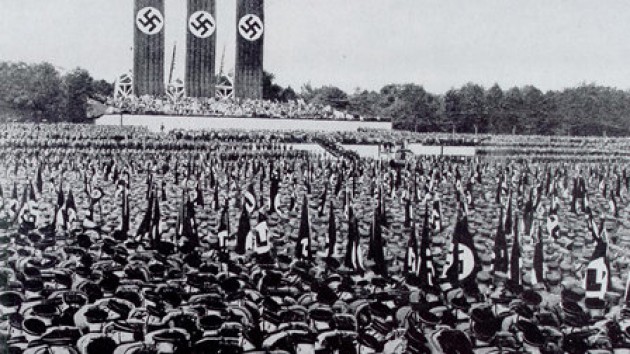
1. Triumph of the Will (Leni Riefenstahl, 1935)
A propaganda film considered by many as one of the best documentaries ever made, Leni Riefenstahl chronicles the 1934 Nazi Party Congress in Nuremberg, which was attended by more than 700,000 Nazi supporters. Riefanstahl won instant international fame with this and the other propaganda films she directed in the 1930s. She was considered a pioneer of film and photographic techniques; after she filmed Triumph, she was labeled by many as the greatest female filmmaker of the 20th century. Her personal association with Hitler (who actually commissioned this film) ruined her film career after Germany’s defeat in World War II.
In this documentary, Riefenstahl rehearsed some of the scenes at least fifty times, with the main theme being the return of Germany to power and Hitler as the leader who would bring glory to the nation. Popular in the Third Reich, Triumph has served as a true influence on all contemporary film genres and commercials.
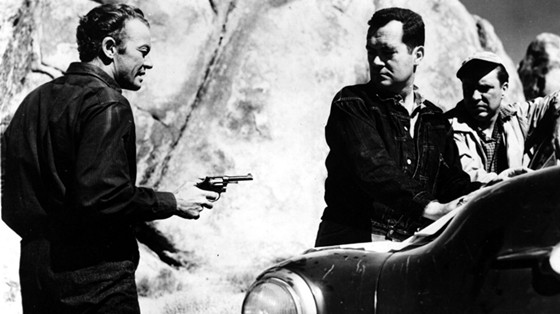
2. The Hitch-Hiker (Ida Lupino, 1953)
A pioneer among women filmmakers, Lupino became interested in directing in the 1940s. After being on suspension for turning down a role she began to explore filmmaking, the filming and editing processes, and what she called “the interesting work.” She became the first actress to produce, direct, and write her own films.
The Hitch-Hiker was her first fast-moving film, a film noir about two fishing buddies who pick up a hitchhiker while on a trip to Mexico. Based on the true story of psychopathic murderer Billy Cook, the two men must survive a hostage situation where escape seems impossible. (An incredible detail is that they are located in the desert, but are constantly confined to small spaces.) Arguably, Hitch-Hiker is Lupino’s best film, and the only true noir directed by a woman, with emotional sensitivity and class performances by the three protagonists.
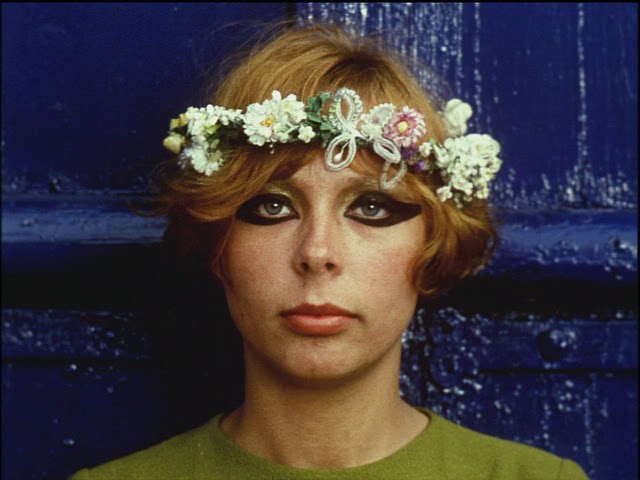
3. Daisies (V?ra Chytilová, 1966)
Chytilová wrote and directed this Czechoslovak comedy-drama film and turned it into a milestone of the Nová Vlna (Czech New Wave) movement, making it the second film by the only female in it. It follows the story of two girls named Marie who engage in a series of adolescent adventures. There’s really not much of a plot, as the director’s hand in it clearly wishes to make the film itself an experience, with brutally colorful imagery, random sequences with no apparent structure, music and sound often randomly appearing with no reasoning within a scene.
It is often a series of events mixed with philosophy, nonsense chattering. There are sudden alternations between black and white and monochrome filters of all colors, as well as standard photography. Even with the amazing surrealism and eccentric humor it brought, the film was labeled as “depicting the wanton” by the Czech authorities and therefore banned.
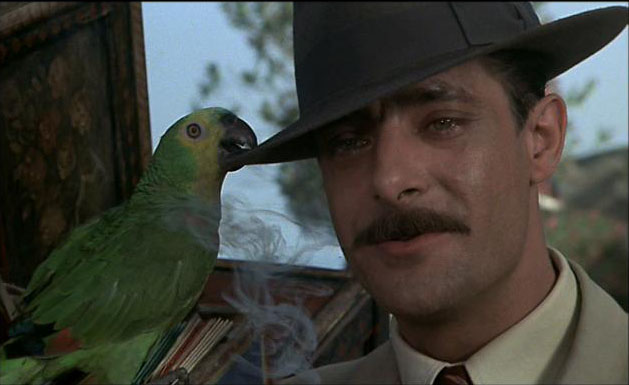
4. Seven Beauties (Lina Wertmüller, 1975)
In its original title, Pasqualino Settebellezze—starring Giancarlo Giannini, Fernando Rey, and Shirley Stoler—the film narrates the story of Pasqualino, an Italian man who, during World War II, abandons the army, is captured by the Germans, and sent to a prison camp. While doing everything he can to survive, the audience learns about his family—through flashbacks, specifically his seven unattractive sisters—and a few stories involving them and ultimately him.
After filming Seven Beauties Wertmüller, an Italian film writer and director, was granted the first female nomination for an Academy Award in Direction. The characterization, for instance, is astounding; Giannini presents the foolish side of his character and performs admirably. Gianni portrays a macho, opportunist man, deeply convinced he’s honorable. It is as black as comedies come, yet the audience is left with the notion that Wertmüller likes the unexplained, the irrelevant moral choices, and the mystery in her most memorable project.
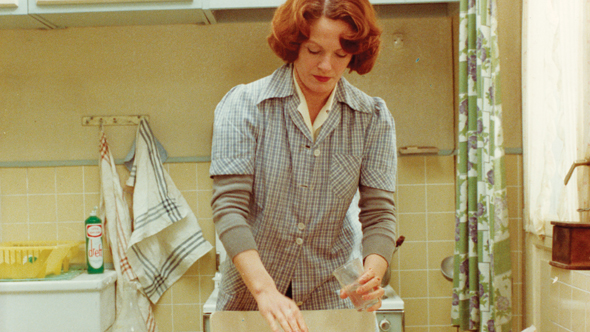
5. Jeanne Dielman, 23 Quai du Commerce, 1080 Bruxelles (Chantal Akerman, 1975)
A clear dedication to the ellipses of conventional narrative cinema, Jeanne Dielman broke new ground and remains a narrative inspiration. Akerman claims that, after seeing Godard’s Pierrot le fou at age 15, she decided to pursue filmmaking. When Jeanne Dielman first debuted, The New York Times called it the “first masterpiece of the feminine in the history of cinema.”
The story examines a single mother’s life, cooking and cleaning over three days, while also prostituting in order to provide for her son. Prostitution is part of her routine, dull and uneventful like everything else in her life. The twist comes when the routine starts failing, and she spontaneously starts doing things she wouldn’t usually do. Akerman is brilliant in viscerally mixing these topics by using an innovative directorial approach, while leaving the audience with the task of filling the gaps.
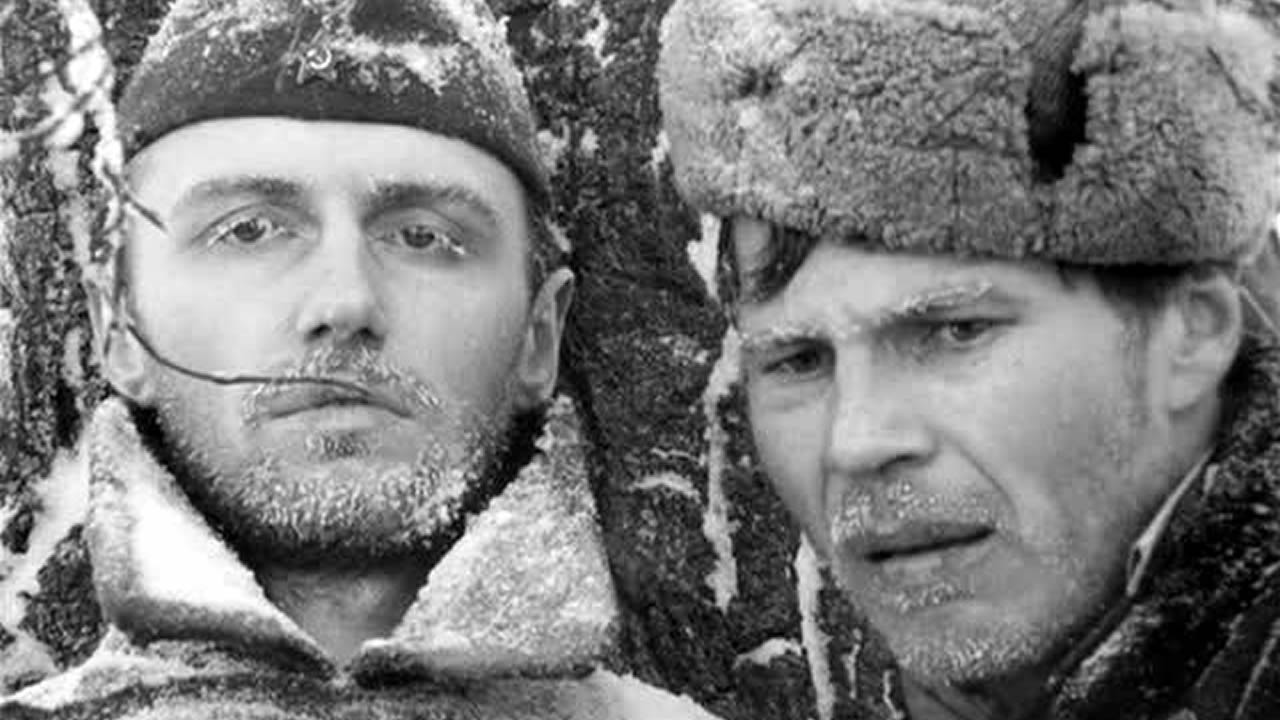
6. The Ascent (Larisa Shepitko, 1977)
Shepitko’s last film before her death was this black and white Soviet drama film—winner of the Golden Bear award at the 27th Berlin International Film Festival in 1977. Said to be one of the finest war films ever made, The Ascent is set in the bleak winter of 1942, during World War II, and follows two young Soviet partisans as they search for food in a Belarusian village, which was occupied by Nazis.
After being spotted by a German patrol, one of them is shot in the leg, and the other has to take him to a safe place: the home of a woman named Demchikha. However, they are discovered, and both the partisans and the woman are taken to the German camp for interrogation. The struggle of the proletarian is the key point in this story, and the film stands tall as a cinematic statement of politics, faith, and moral choices.
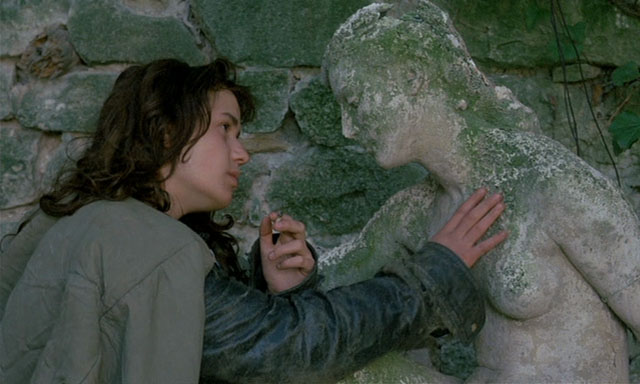
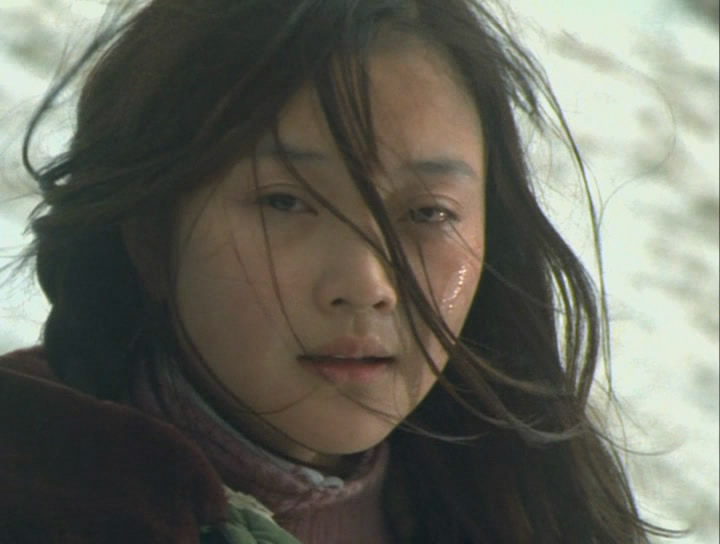
7. Vagabond (Agnès Varda, 1985)
Vagabond is a drama describing the story of a woman who, during one winter, wanders through the French wine country. A dark and disturbing grasp on the life of Mona (Sandrine Bonnaire), told through flashbacks and a near-documentary style, including alternative interviews with the people who have known her in the last weeks of her life.
Throughout the film, the audience gets to know the main character, how she seems so independent and hard to love, drifting from place to place accepting any help or places in which to stay. No one really knows where she is from, or how she ends up in her situation.
It’s noticeable how Varda’s background as a still photographer finds a place in this film. It is a particularly moving grip on visual detail that takes the story to an even harsher reality while simultaneously supplying the necessary beauty.
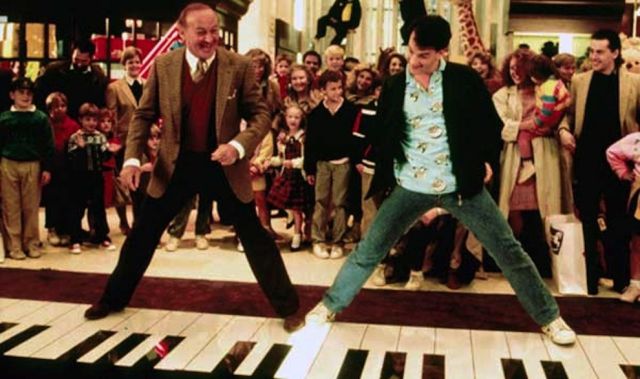
8. Big (Penny Marshall, 1988)
Starring David Moscow and Tom Hanks as 13-year-old and 30-year-old Josh Baskin, Big, in the “body swap” sub-genre, recounts the tale of a boy who makes a wish “to be big” and becomes an adult overnight.
At the start of the film, there are the usual jokes/issues applied to this sort of story (clothes not fitting, no one believing him, etc.), but it quickly falls in a deeper scenario. Josh clearly has no experience in adulthood, but it’s surprising how he can make it work.
Tom Hanks’ performance makes the audience believe he really is a 13-year-old boy trapped in an older body, and that is mostly because Penny Marshall made the two actors spend time together—even though they never shared a scene—and she had David Moscow them rehearse many of the grown-up Josh scenes performing the role, so Hanks could observe how the younger actor would react in those situations.
Read more at http://www.tasteofcinema.com/2014/the-25-best-films-directed-by-female-filmmakers/#jItEqxGHQeluPEuZ.99
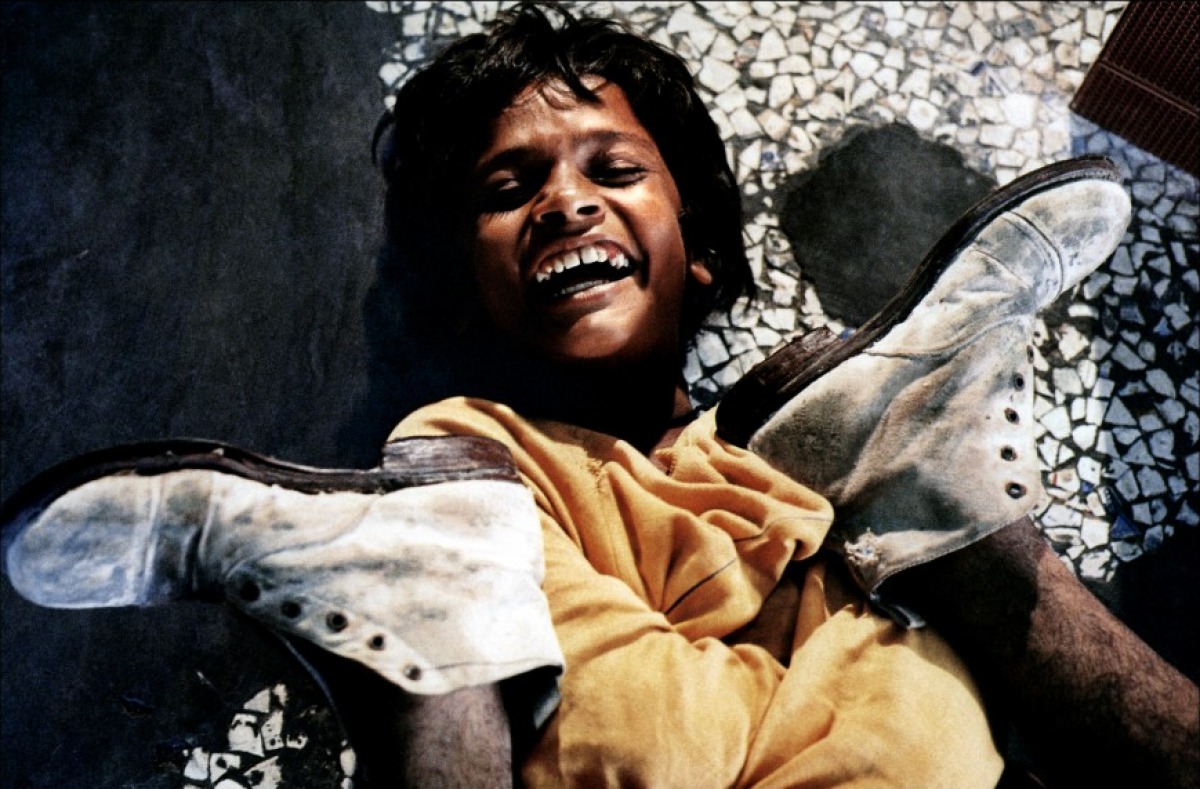
9. Salaam Bombay! (Mira Nair, 1988)
There’s a background story to this film that is particularly interesting: the creators gathered children from Bombay and interviewed them about their lives, experiences, and the places they lived. These children weren’t taught how to act, but how to behave naturally in front of a camera. The film chronicles their day-to-day life thus it needed to be as real as possible.
Mira Nair directed it with the help of long-time collaborative screenwriter, Sooni Taraporevala, whom she met at Harvard. Not a single scene in this film was filmed in a studio or on movie set; Nair shot many scenes with hidden cameras, so the audience can hear the unrehearsed comments of spectators in specific parts. Nair captures and transports reality to a whole new level, as well as Hindi filmmaking, which provides comfort that the streets are safer than anywhere else and there might be some hope in them.
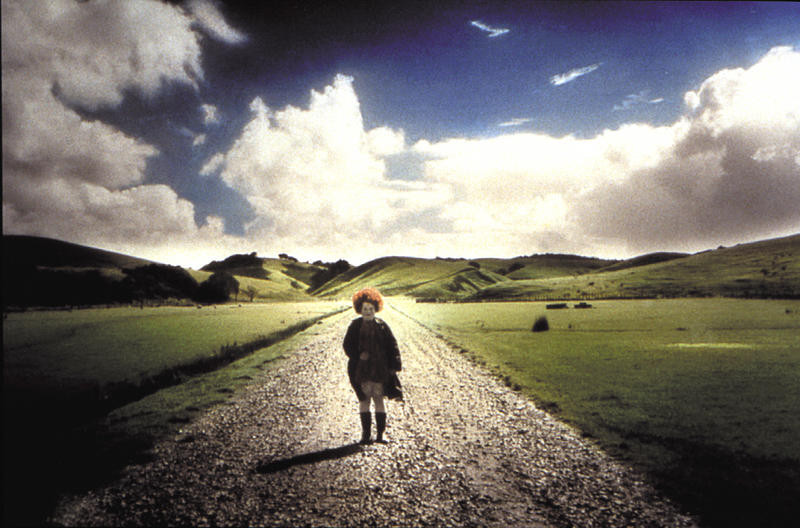
10. An Angel at My Table (Jane Campion, 1990)
In this New Zealand-Australian-British production, directed by the first female filmmaker to historically receive the Palme d’Or, the audience discovers a dramatized adaptation of author Janet Frame’s three autobiographies.
The film begins with Frame (Alexia Keogh and Karen Fergusson) as a child, living in a poor New Zealand home, being endlessly mocked at school for her huge, curly red hair and quirky behavior. When Frame (Kerry Fox) is an adult, the death of close family members, as well as large number of embarrassments and other misfortunes, lead her to a madhouse where she’s misdiagnosed as a schizophrenic.
Frame is subjected to more than 200 electroshock treatments, albeit nothing is really wrong with her (besides being terribly shy and sad). Engrossing from beginning to end, the film looks and sounds like fiction when so many awful things happens to such a person. Campion effortlessly presents storytelling in its simplest form, which is genuine and fluid throughout the three sections.
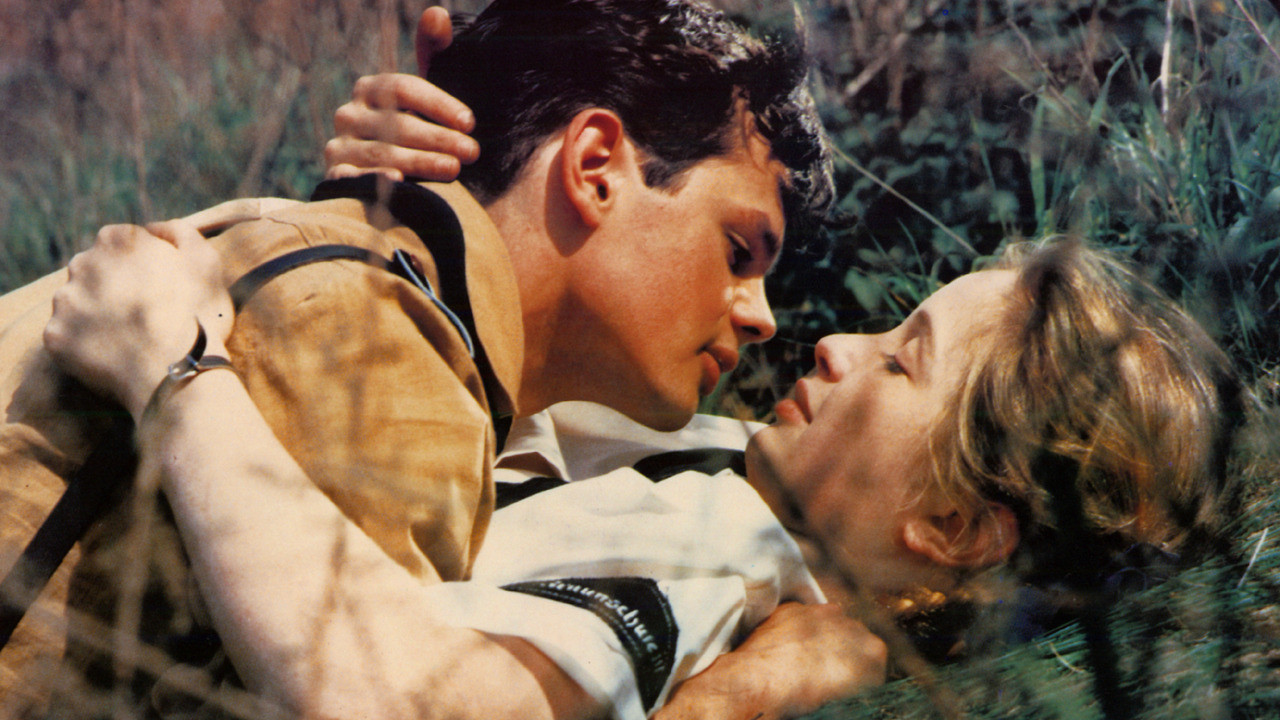
11. Europa Europa (Agnieszka Holland, 1990)
Best known for her political contributions to Polish cinema, Holland is one of Poland’s most eminent filmmakers. Holland’s Europa Europa is based on the 1989 autobiography of Solomon Perel and chronicles the true story of a German Jewish boy who escapes the Holocaust by masquerading as an elite “Aryan.”
Starring Marco Hofschneider as Perel (who appears as himself in the finale), the character defies logic and chance in favor of survival. Thus, Perel meets an identity crisis: by trying to appear an ethnic German, he has to hide certain Jewish traits. Hence, Holland turns this character—that could easily, like so many others World War II films, make the audience pity the main character—into a conflicted individual who constantly shifts identities. Eurpoa Europa keeps the spectator on his feet—longing for his victories—rendering the film a heartwarming and rare war tale.
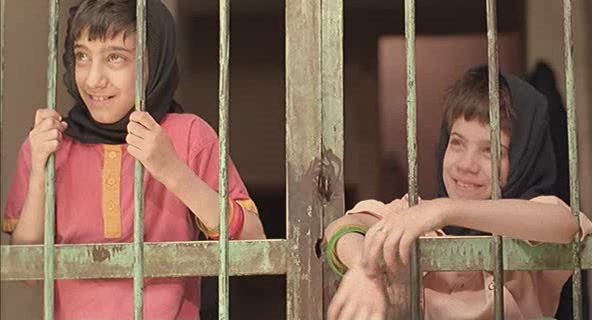
12. The Apple (Samira Makhmalbaf, 1998)
The film directorial debut by Samira Makhmalbaf (considered to be one of the most influential directors as part of the Iranian New Wave) is based on a true story and features the people who were directly involved in it. For eleven years, two twin sisters are locked up by their parents, an unemployed man and a blind woman, until their neighbors call social workers to investigate the situation. Simultaneously, the Apple portrays an undeniably feminist message and focuses on discrimination against women in Iranian culture.
The title of the film stems from the director’s realization that the apple is the twins’ favorite fruit and, to her, a symbol of life. Makhmalbaf melts documentary with drama (docu-drama), evading their independent meanings—which is controversial in her filmmaking and storytelling choices—and investigates Iranian ethics, as well as premeditates parts of the script the “actors” were most likely unaware.
13. Xiu Xiu: The Sent Down Girl (Joan Chen, 1998)
The directional debut of Chen is set in the 1970s People’s Republic of China, during the Cultural Revolution’s Down to the Countryside Movement. Xiu Xiu (Xiaolu Li), a 15-year-old girl living in the city of Chengdu, moves out to study horses in the countryside. She is told that she will return after six months, which she quickly discovers isn’t true. While struggling against corrupt government officials who manipulate and abuse her, she befriends a eunuch horseman, Lopsong (Lao Jin).
The central theme is exile of a frightened homesick girl who wants her life back; she is the antithesis of the common heroine. The film, unfortunately, was not accepted in China, and the director was not welcome to return. It’s haunting how Xiu Xiu supports an extraordinary truth inside fiction. The main friendship in the film— based on silence and pain—is outstanding; this type of relationship seems nightmarish and frightening, but is represented beautifully by Chen and her actors.
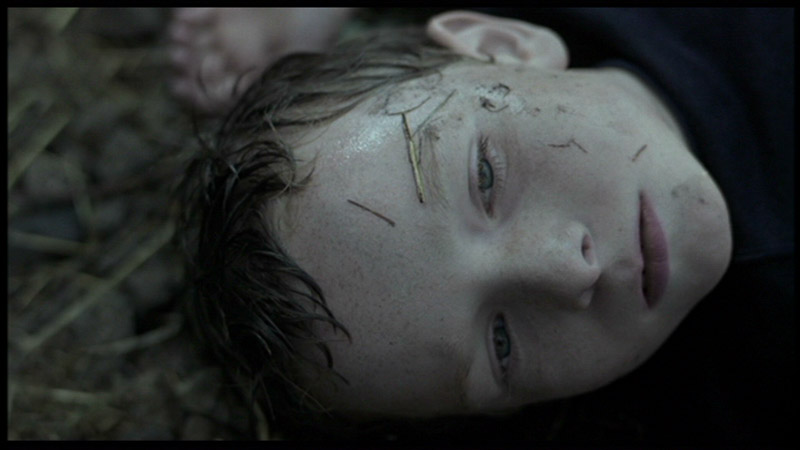
14. Ratcatcher (Lynne Ramsay, 1999)
Ratcatcher is the debut feature film from Scottish director Lynne Ramsay. Set in a Glasgow tenement block in the 1970s, against a backdrop of garbage accumulating during a “dustmen’s” strike. The film follows a young boy, James (William Eadle), through a series of more or less connected episodes.
At the portrayed time— the poorest housing conditions in Western Europe—there is not any running hot water, bathing facilities, or indoor plumbing. There’s a new city development program that promises to re-house the tenants in new modern estates. The main character, James, is a 12-year-old boy forced to live in these conditions, facing imminent death by contamination, toying with rats and dealing with his heavy-drinking father.
The narrative is beautifully connected, and the truly fascinating part is how absurdly normal all the dirtiness, extreme poverty, mental issues, abuse, etc., looks in a film that follows the life of a mere child.
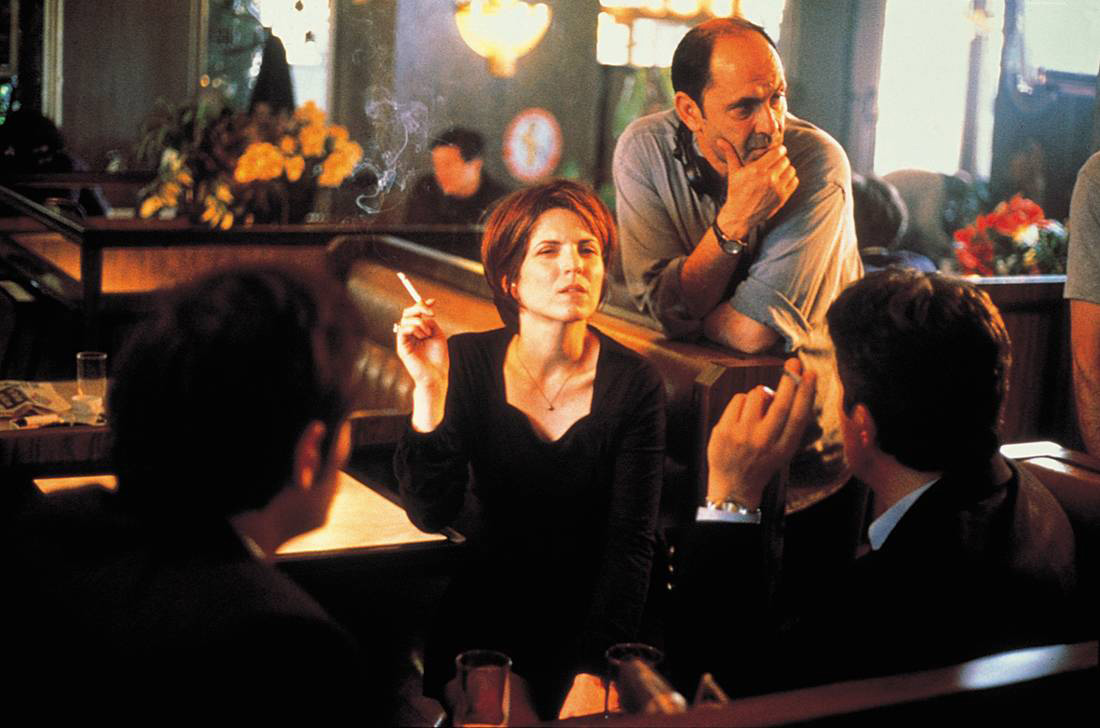
15. The Taste of Others (Agnès Jaoui, 2000)
Written by Jaoui and her former partner Jean-Pierre Bacri, this French film is about a busy industrialist named Castella (Bacri), a married man who falls in love with an actress in a play. His wife, an interior decorator, is the dictator of his life. She is cold, and unaffectionate, and materialistic. Clara (Anne Alvaro), the actress, doesn’t share Castella’s feelings because he’s the complete opposite of her.
Nevertheless, Castella falls for the idea of Clara, ultimately forcing him to finally think for himself and develop his own feelings. There’s another interesting relationship in the film, a barmaid portrayed by Jaoui, whose character falls for Castella’s bodyguard. A few other obstacles exist between them, including the fact that the barmaid sells drugs. Jaoi, through her direction, characterizes human relationships by requiring each character to intelligently argue and subtly judge each other about tastes and opposites.
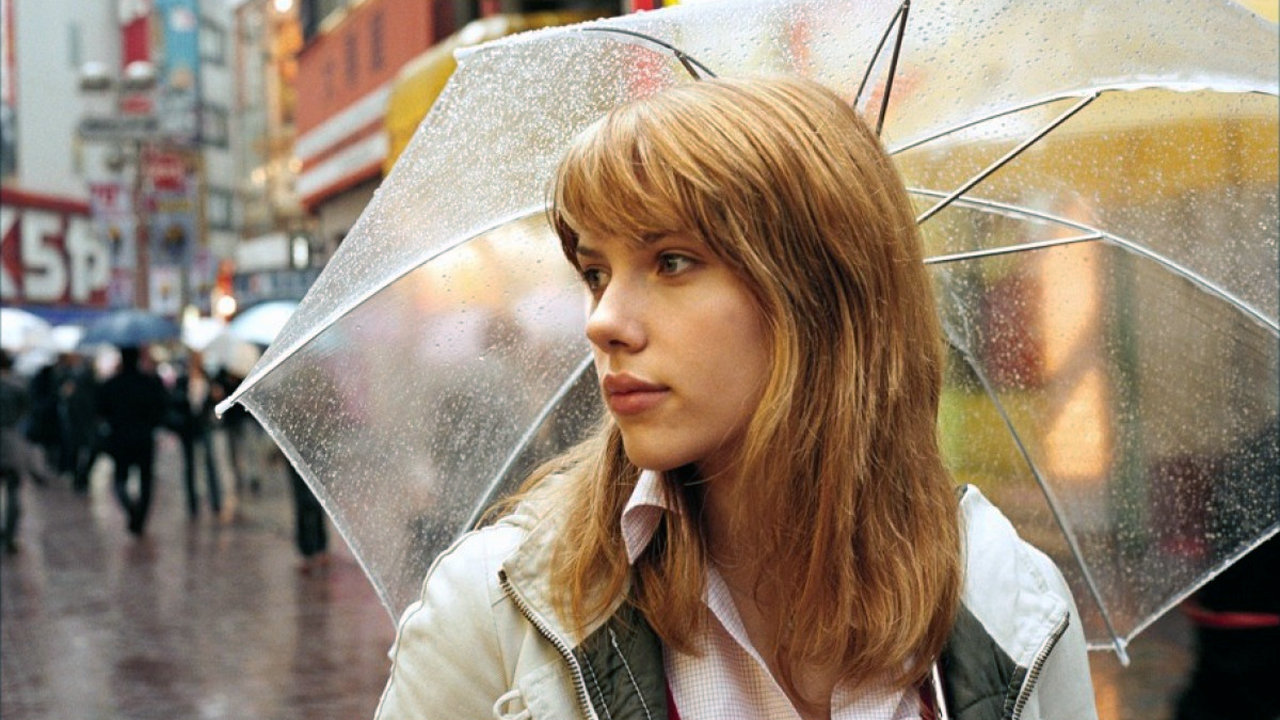
16. Lost in Translation (Sofia Coppola, 2003)
Lost in Translation, a minimalist comedy-drama, is responsible for Sofia Coppola’s win for Best Original Screenplay, as well as her three other Academy Awards nominations, including Best Director—Coppola, coincidentally, is the first American woman to be nominated for this award).
Set in Tokyo, Lost in Translation tells the tale of an aging actor named Bob Harris (Bill Murray), who travels to Japan to film an advertisement. While there, Bob meets Charlotte (Scarlett Johansson), the lonely wife of a celebrity photographer on assignment. The film struggles with two different situations that slowly lead to a friendship.
The controlled performance of Murray makes it one of his best; Johansson’ also serves as a perfect companion in those late, gloomy nights. The brilliant use of chiaroscuro, and the breathtaking shots and wonderful cinematography of the city, the film follows the duo’s experiences and leaves the audience empathizing with the characters’ bittersweet loneliness.
17. 35 Shots of Rum (Claire Denis, 2008)
Denis is recognized for her process of “shooting fast, editing slowly” and her high regard for collaborations on all of her body of work. Her dedication to editing usually results in switching the scenes’ order in the original script and rearranging details. She’s also mentioned that she does not hold auditions for her films because she primarily hires many of the same actors.
35 Shots of Rum is described by some as “an intimate family study.” The film tells the story of widower Lionel, a RER driver in Paris, and his isolated life with his daughter Josephine, with whom he shares a very special bond. The two dwell in an apartment building in the suburbs in which another “couple” also live; the film drives the audience into questioning the relationship and interactions between the four of them. Claire Denis doesn’t treat this film as a lesson because the film’s diegesis is a world to which everyone can relate. It is a treat for the audience to observe these characters without the necessity of a conventional plot.
18. The Hurt Locker (Kathryn Bigelow, 2008)
This exceptional war film, which portrays the story of a three-man bomb disposal team during the Iraq War, guaranteed Bigelow’s accomplishment as first woman to win the Academy Award for Best Director in 2009.
The Hurt Locker is a powerful action film directed by a woman who sides with the soldiers. It offers honest clarity on the perception of a U.S. combatant’s mind. While depicting the violent side, Bigelow manages to withdraw the tragedy and reality of these soldiers’ lives on the field. She portrays the long and painful nightmare of those men who must patrol—even if they are heavily armed moving targets—and are permanently endangered by the hidden “roadside bombs,” which can be ignited by booby-traps or telephones.
Hurt Locker is both cringing and exciting, and it abandons all conventional narrative rules. The title refers to the physical trauma of being constantly in close proximity to the deafening blast of an explosion and the compressed silence, which imprisons pain and doesn’t disappear. Bigelow’s work is outstanding in nearly making the audience feel it, too.
19. An Education (Lone Scherfig, 2009)
Based on the memoir of the same name by British journalist Lynn Barber, Carey Mulligan plays sixteen-year old Jenny, who’s seduced by an older and charming con-man named David (Peter Saarsgard). The screenplay, written by Nick Hornby, sets the story in 1961 and solidifies Jenny’s character above everything else. Even the “romance” in the story is due to her mind, her lust for life, constant excitement, and eagerness to experience. David, who grows extremely fond of Jenny, is good-looking, well-spoken, and extremely polite.
What makes this a magnificent watch is Mulligan, in her first major feature role, who is easily comparable to Audrey Hepburn for the grace and light Mulligan brings to the screen. Though the final part of the film may confuse much of the audience, An Education nonetheless is a charming coming-of-age tale made wonderful by the director’s astute attention to detail, for she is subtle and cautious with the pacing and tone.
20. A Simple Life (Ann Hui, 2011)
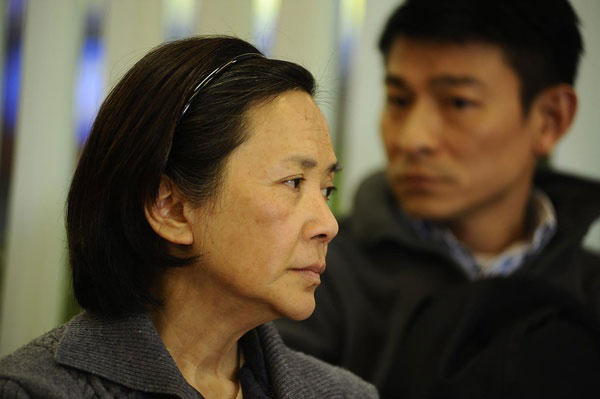
Inspired by the true story of producer Roger Lee and his servant, the film depicts the relationship between Lee (Andy Lau) and a woman, Sister Peach, who has worked for four generations in Lee’s family.
It portrays the life of Ah Tao, an orphan in the Japanese occupation of Hong Kong, who spent her life serving four generations of a Chinese family and is – at the time of the film – the servant of the only family member left still living in China, Roger. Everything from the silence they share when she gives him his meals, to the more complex aspects of their relationship, are delicately handled and make the film a quiet, yet moving, experience. A plot, which could easily be a drama about forgetting a person, turns out to be sweet when that someone is remembered. A Simple Life is refreshing and hopeful, and filmmaking wise, a noted character study.
21. Pariah (Dee Rees, 2011)
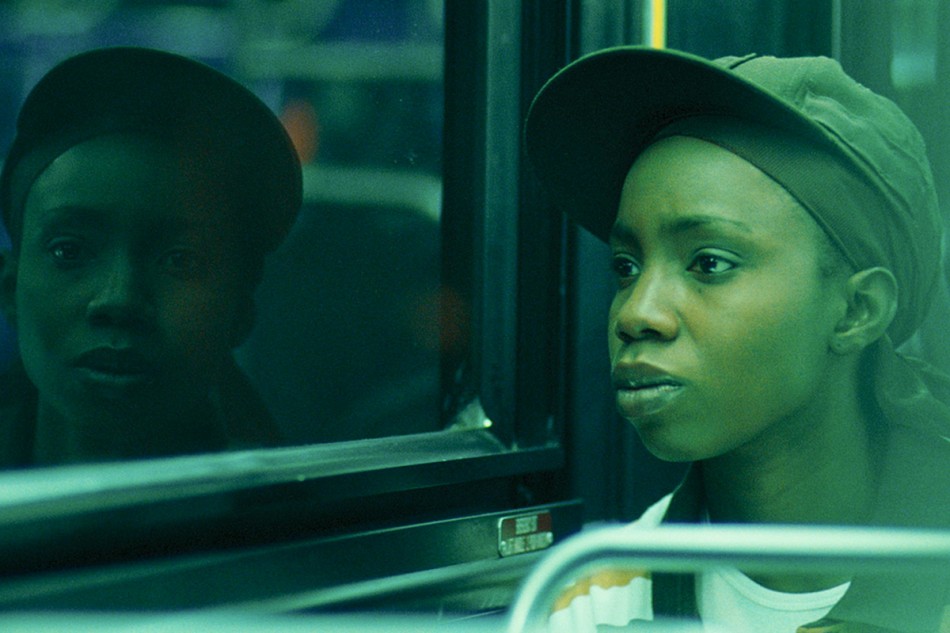
Director Dee Rees, who also wrote this contemporary drama, tells the story of an African-American teenager named Alike (Adepero Oduye), who is coming to terms with her identity as a lesbian. Pariah contains common elements most coming-of-age films have which primarily involve LGBT characters: the struggles; conservative family issues; falling in love with a friend, etc. Yet this is perhaps one of the few films that can accurately, naturally, and realistically portray these ideals, such as Alike and her pain.
The film is set mostly at night: the club she attends, the streets she walks, and on the bus she rides. Unfortunately, there is not a fairy tale happy ending, but what would most likely occur to someone in a similar situation. On a low budget, Dee Rees makes Bradford Young’s photography even more mesmerizing than what he did before in the originally filmed short film of the early 2000s.
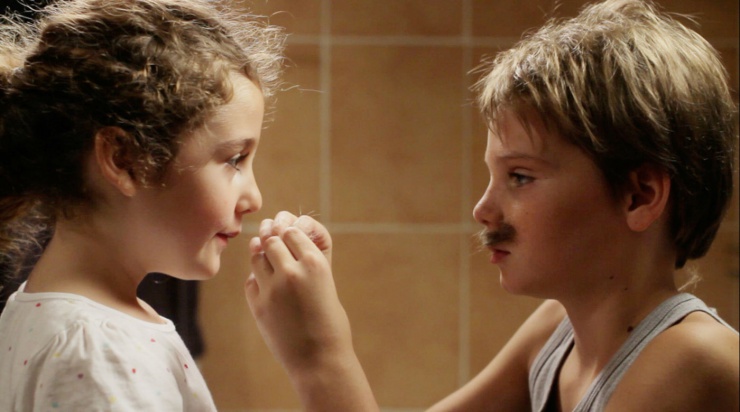
22. Tomboy (Celine Sciamma, 2011)
In Tomboy, Zoé Héran brings to life a short-haired 10-year-old girl called Laure who, after moving to a new neighborhood, decides to introduce herself as a boy by the name Mikäel. Tomboy is refreshing take on how society regards “tomboys”—girls who dress like boys and do “typical” boyish things during their childhood. There’s some irony in the director’s portrayal of Laure’s superficial acceptance of her, yet they are shown as often ignoring her insecurities and wishes.
There’s a delicacy in how Sciamma recreates concepts such as confusion, whilst managing and exploring ambiguous genders. The family doesn’t concern themselves with anything other than the main characters’ problem; the two parents are in love, with a kid on the way, and the younger sister is shockingly supportive. This film doesn’t contain tragedy or over-analysis; what exists is a “tomboy” and summer adventures that may or may not mean something in the future.
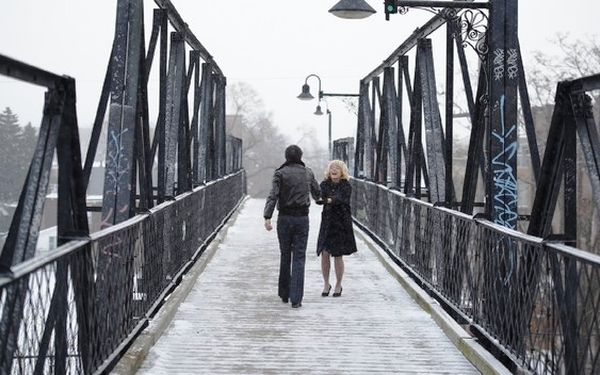
23. Stories We Tell (Sarah Polley, 2012)
This film is an autobiographical documentary about the director’s own life events as told by her family, showing Polley’s specific interest in their points of view. It begins with an introduction of the family members and the description of one missing: the adorned mother, who apparently is an enthusiastic, loving person. Later, the family mentions Sarah’s conception, a family joke that implies Sarah looks nothing like her “father” and more like an actor who worked with her mother. The story proceeds by showing how Sarah searched for the truth.
Sarah’s option to allow equal time for everyone to share their side of the story makes Stories We Tell more about the narrative rather than her own truth-seeking. The Super 8 filming, plus the actors playing the younger characters, exhibits a time-machine, (almost) fictional effect. The film certainly proves Sarah Polley’s own talent for complex storytelling and makes it a memorable document, with the director herself often appearing and participating from behind the camera.
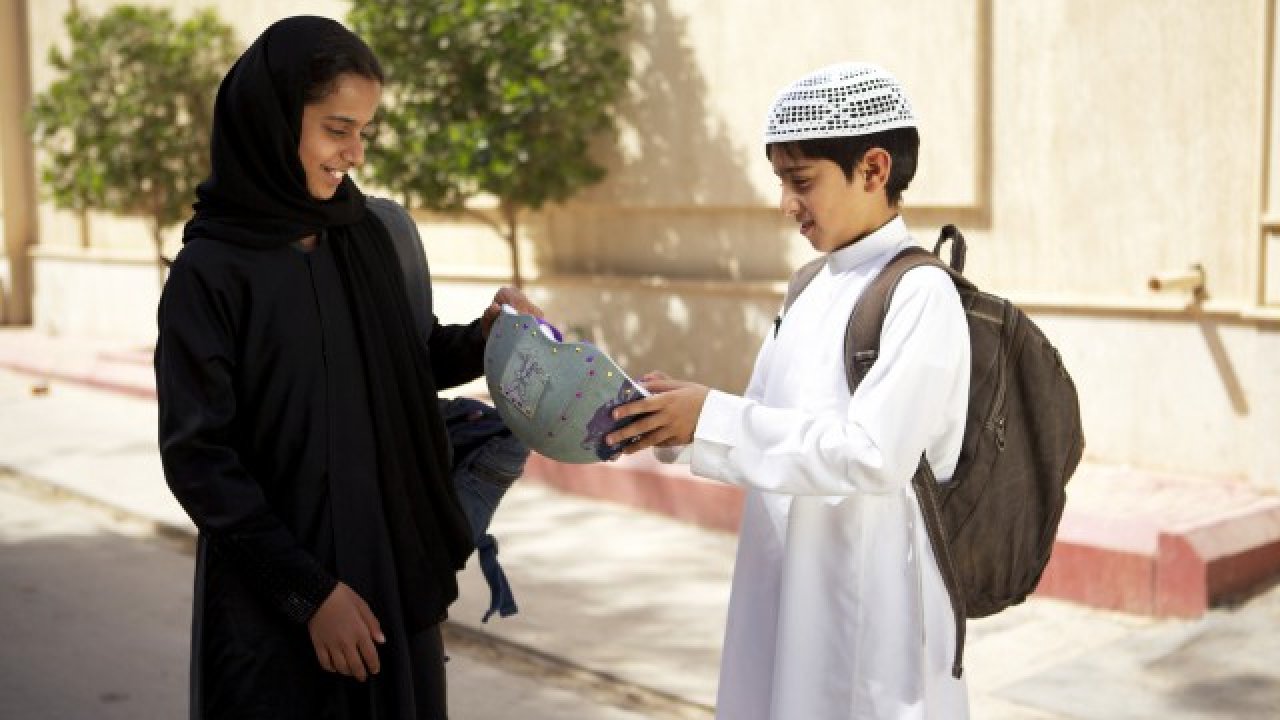
24. Wadjda (Haifaa al-Mansour, 2012)
Wadjda (Waad Mohammed) is an 11-year-old Saudi girl, who dreams of having a green bicycle, so she can race against her friend Abdullah, a boy from her neighborhood. What makes Wadjda special is that she refuses to be like the other girls, who are told that it isn’t acceptable for females to ride bicycles. The director’s not trying to make people feel sorry for Saudi women; she’s just telling the story of one girl who doesn’t let anything change her mind.
This Saudi Arabian-German production marked two important firsts in history: the first feature film shot entirely inside Saudi Arabia and the first feature-length one made by a female Saudi director. It took about five years for al-Mansour to make Wadjda, as the director spent most of her time receiving financial backing and film permission. Also having written the screenplay, al-Mansour received inspiration from neorealist films; the primary character is based on her young niece, as well as her own childhood experiences.
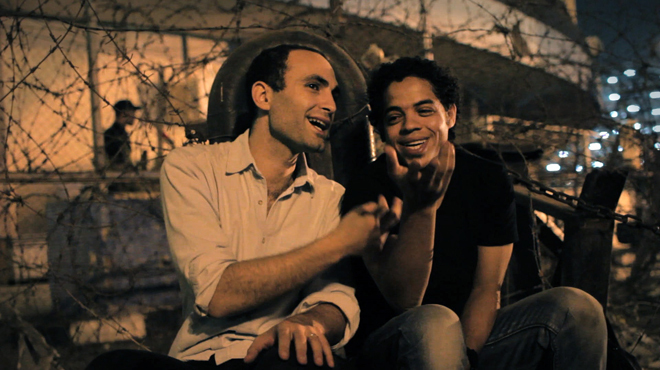
25. The Square (Jehane Noujaim, 2013)
In The Square, Egyptian-American documentarian, Jehane Noujaim, depicts the ongoing Egyptian Revolution of 2011 from its roots in Tahrir Square. The Square is an entrancing inside look at the series of revolutions and counterrevolutions that have shaken Egypt. Beautifully shot, well-structured and exhilarating, the film transforms from spontaneous and confusing to emotionally wrenching. It captures the fear people feel when it comes to the army and their shift between good and evil. Noujaim focuses on the right parts, and chooses the right ways to create a bigger impact on the audience.
The film’s greatness can also be attributed to other certain special people, such as the energetic revolutionary Ahmed Hassan, and the movie star Khalid Abdalla, who is often the spokesman for the revolutionaries. There are times where it might feel like explanations are in order, but Noujaim follows a stream that represents exactly how often confusing life is during a revolution.
Who has been missed? enter into the comments box below.
Author Bio: Alex Gandra is a Portuguese writer and filmmaker.She graduated this year in New Communication Technologies from the University of Aveiro and is currently in a master’s degree in Digital Audiovisual. She spends too much time in cafés writing scripts and other kinds of texts you can find at medium.com/@gandra_le. She’s also writing a book she hopes to finish some day.
Read more at http://www.tasteofcinema.com/2014/the-25-best-films-directed-by-female-filmmakers/#ZkYh2ezEdE5lKOZe.99
Since 1992 Raindance has been offering advice and support for independent filmmakers. We started the Raindance Film Festival in 1993, and the British Independent Film Awards in 1998.
Most of our year is spent training thousands of new and established filmmakers in all aspects of film. Among high profile alumni are Christopher Nolan (Batman Begins), David Yates (Harry Potter), Guy Ritchie and Matthew Vaughn – who actually met at a Raindance course. Raindance training is one of the world’s largest catering for over 3000 students per year.
In 2011 we launched an innovative Postgraduate Film Degree with Staffordshire University and the Independent Film Trust.
In 2013 we relaunched our production arm, Raw Talent with the feature Love.Honour.Obey.
Subscribe to:
Posts (Atom)